
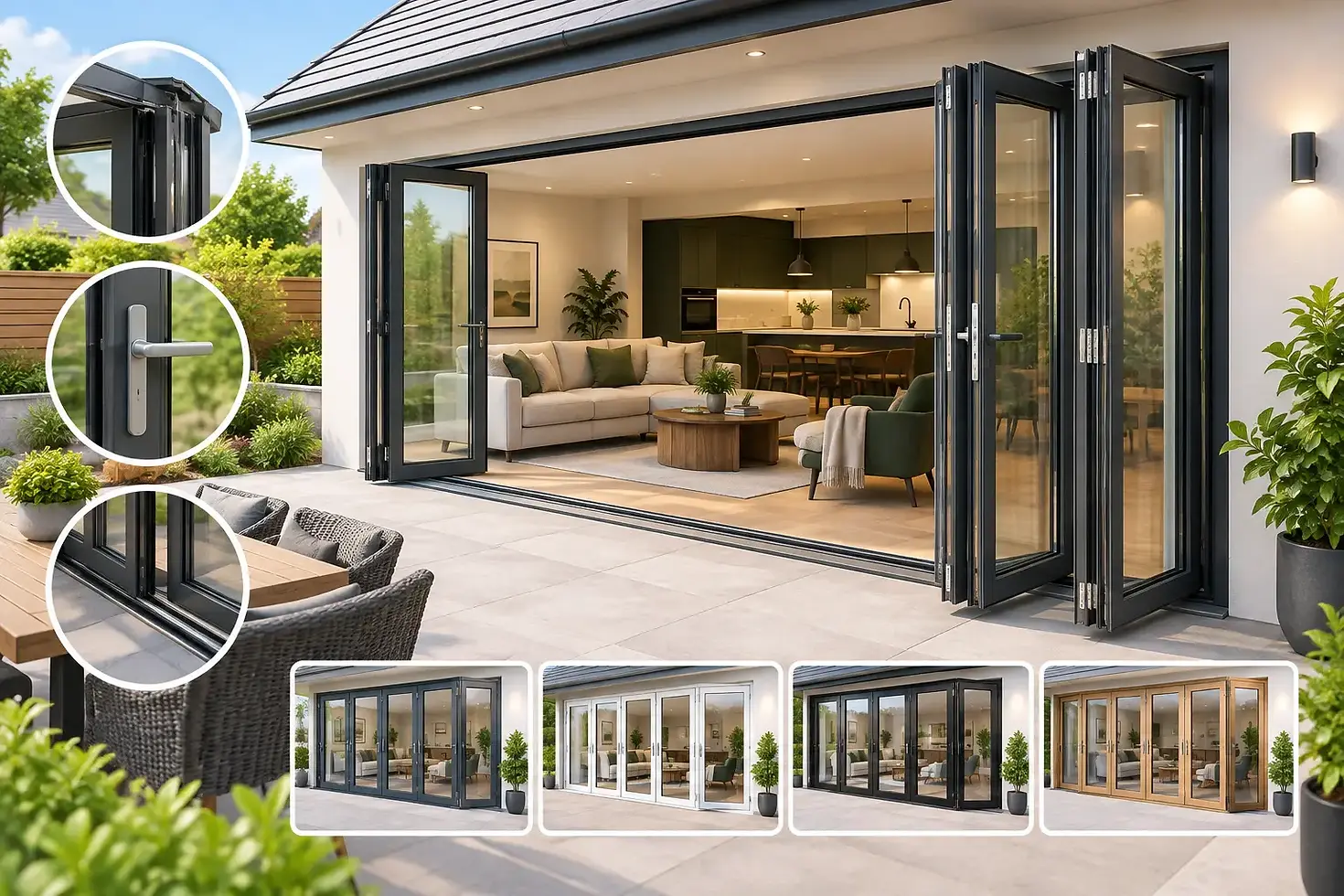
Best Bifold Doors: A Practical UK Buying Guide
A new set of doors can completely change how a kitchen, dining room or conservatory feels. Open them on a bright afternoon and the garden becomes part of the living space. Close them on a cold January evening and they still need to keep draughts, rain and heat loss firmly outside. That is why the best bifold doors are not simply the ones with the widest glass panels or the lowest initial price. They are the doors that suit your opening, your home’s exposure, and the comfort you expect all year round.
For UK homeowners, the decision is often a balance between appearance, thermal performance, security and long-term reliability. A well-specified installation can make a room brighter and more enjoyable without leaving you with a cold, condensation-prone space when the weather turns.
What makes the best bifold doors?
Bifold doors use hinged panels that fold and slide to one or both sides of an opening. When fully open, they create a much wider clear opening than a standard patio door. This makes them particularly popular for rear extensions, kitchen renovations and conservatories that lead onto a patio or garden.
The right choice depends on more than the number of panels. A quality bifold system should operate smoothly, lock securely and provide a strong weather seal when closed. It should also be properly measured and professionally fitted. Even an excellent door system can underperform if the frame is not square, the threshold is poorly detailed or the surrounding opening has not been prepared correctly.
It is worth thinking about how you will use the doors on an ordinary day, not just when they are fully folded back in summer. If you mainly want a convenient route to the garden, a traffic door that opens independently is useful. If your priority is a broad, open entertaining space, the panel arrangement and stacking direction matter more.
Choose the frame material for your home
Frame material affects the appearance, maintenance requirements, cost and thermal performance of bifold doors. There is no single right answer for every property.
Aluminium bifold doors
Aluminium is a popular option for larger openings because it is strong while allowing relatively slim frames. This can mean more glass and cleaner sightlines, especially where you want to make the most of a garden view. Modern thermally broken aluminium systems are designed to reduce heat transfer through the frame, helping the room feel more comfortable in colder months.
Aluminium is also low maintenance. It will not rot, and quality powder-coated finishes are available in a wide range of colours. Anthracite grey remains a common choice, but softer blacks, greens and heritage shades can work well with traditional homes too. The trade-off is that aluminium can cost more than some alternatives, particularly for large or bespoke configurations.
uPVC bifold doors
uPVC is often the more budget-conscious choice. It offers good insulation and requires little upkeep beyond cleaning and checking moving parts. It can be a sensible option for modest-sized openings where affordability is a key consideration.
However, uPVC frames tend to be thicker than aluminium, and very wide openings may require more substantial sections. Colour and finish options have improved, but homeowners looking for the slimmest possible sightlines or a premium architectural look often prefer aluminium.
Timber and composite options
Timber can bring real character to period homes, cottages and properties where natural materials are central to the design. It can also offer good insulation when properly specified. The practical consideration is maintenance: painted or stained timber needs regular care to protect it from the British weather.
Composite systems combine materials to improve durability and reduce upkeep, but specifications vary significantly. Always look beyond the headline material and ask how the doors are constructed, sealed and guaranteed.
Thermal performance matters after summer
Large glazed doors should make your home feel lighter, not leave you turning the heating up. When comparing options, ask about the whole-door U-value rather than focusing only on the glass. This figure reflects how readily heat passes through the complete door set, including the frame. In general, a lower U-value indicates better insulation.
Double glazing is standard for many installations, while triple glazing may be considered where maximum thermal performance is the priority. Triple glazing can improve insulation and help reduce outside noise, but it adds weight and cost. It is not automatically the best option for every opening, so the door system needs to be designed to support it properly.
Glass specification is equally important. Low-emissivity coatings help retain warmth inside, while argon-filled units and warm-edge spacer bars can support better thermal performance. For south-facing rooms, solar control glass may be worth discussing. It can help limit excessive heat build-up and glare, although it may slightly change the appearance of the glass.
A warm, well-ventilated room also needs sensible moisture control. Condensation can form when warm indoor air meets a cold surface, particularly in kitchens and extensions. Efficient glazing, good seals and appropriate ventilation all play a part in keeping the space more comfortable.
Security should be built into the specification
Garden-facing doors are a major feature of the home, so security deserves close attention. Look for multi-point locking, secure cylinder options, strong hinges and an internal beading system where appropriate. The master door, or everyday access door, should feel solid and lock without force.
Toughened safety glass is normally used in doors, but laminated glass can provide an additional level of resistance and may be worth considering for ground-floor openings or more exposed properties. The handles, tracks and locking points should all work together as part of one tested system.
Do not overlook the installation itself. A secure frame needs to be firmly fixed to a sound opening. Poor fitting can create gaps, affect locking alignment and make the doors harder to operate over time.
Get the layout and threshold right
The most attractive bifold doors can still be frustrating if the layout does not suit the room. Start by deciding where the panels will stack when open and whether they should fold inside or outside. External stacking keeps panels out of the room, while internal stacking can be more convenient where there is limited patio space or a sheltered design is preferred.
A traffic door is often one of the most practical features. It allows you to step outside without folding back the full set of panels, which is useful for putting out washing, letting the dog into the garden or getting fresh air on a cooler day.
Threshold choice requires a little care too. A low threshold creates an easier transition between indoors and out and can be especially helpful for accessibility. However, exposed locations may need a more weather-conscious detail to manage driven rain effectively. Your installer should assess drainage, patio levels and the direction of weather at the property rather than treating every opening the same.
Measuring and fitting are as important as the doors
Bifold doors are not a purchase to make from rough measurements alone. The opening should be surveyed carefully, including the condition of the lintel, brickwork, floor level and external drainage. If doors are replacing a wall or window, structural work may be required before installation can begin.
A professional survey can identify issues that are easy to miss, such as uneven reveals, restricted clearances, a sloping patio or insufficient support above the opening. Addressing these before the doors arrive helps avoid delays and gives the installation a better chance of performing properly for years to come.
Ask what is included in the quote. It should be clear whether it covers removal of existing doors, making good around the opening, trims, sealing, waste removal and any building control requirements. A cheaper quote can become less attractive if key work has been left out.
Questions to ask before choosing bifold doors
Before committing, ask to see the proposed panel configuration and opening direction. Confirm the whole-door U-value, glazing type, security features and threshold detail. It is also sensible to ask about the manufacturer’s guarantee, the installation guarantee and what aftercare is available if an adjustment is needed.
Colour deserves thought beyond the showroom. Dark frames can look striking but may show dust and water marks more readily, while lighter shades can sit more quietly against brickwork or render. Consider the window frames, guttering, roofline and internal décor so the finished result feels part of the property rather than an isolated addition.
For homes where warmth and lower energy use are priorities, view bifold doors as one part of the bigger picture. Insulation, ventilation and the condition of surrounding walls and roofs all affect how the room performs. Nest Home Improvements takes this practical whole-home approach, helping homeowners make improvements that support comfort as well as appearance.
The best time to judge bifold doors is not when they are folded back for a photograph. It is when they close quietly, keep the weather out, hold warmth in and make the route to your garden a pleasure to use every day.


Comments